Sewer lines play a critical role in maintaining the hygiene and functionality of any residential property. Understanding how deep are sewer lines buried can uncover complexities that homeowners might not consider. From routine water line repair in Duluth to comprehensive sewer maintenance, knowing the intricacies of your sewer system is essential for proper care and preventative action. The depth of sewer lines is a topic that intertwines building codes, environmental factors, and practical regional concerns that every homeowner, especially in areas like Duluth, MN, should be aware of.
When it comes to the infrastructure beneath your feet, many property owners are often left in the dark. This blog aims to illuminate how deep residential sewer lines typically are, with attention to aspects such as local regulations, soil conditions, and regional weather influences. By demystifying the standard practices for sewer line installation and maintenance, we can help ensure that emergencies and unexpected repairs are minimized. Our aim here is to provide detailed insights that resonate with every homeowner's curiosity about their property's plumbing and connect these insights with Contour's expert services.
Understanding the Basics of Sewer Line Depth
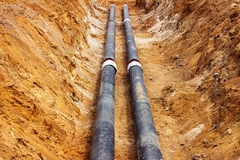
When constructing or renovating a property, one fundamental aspect to consider is how deeply sewer lines are buried. This depth is largely dictated by a mixture of building codes, environmental factors, and the geographical terrain. In general, sewer lines are buried between 4 and 6 feet deep in residential areas. However, this can vary significantly based on the region. For instance, colder climates often require deeper installations to prevent freezing, whereas regions with warmer weather may not necessitate such depths.
Local building codes also play a crucial role in determining these depths. Building regulations are not just set randomly. They are established based on historical data, soil analysis, and safety considerations specific to each area. It's vital for property owners and builders to adhere to these codes to avoid costly penalties and to ensure the safety and longevity of the sewer system. Engaging professional services for sewer inspections in Duluth, MN, can provide valuable insights into whether your property's installations meet these set standards.
The Role of Soil and Climate
The composition of soil and prevailing climate conditions significantly impact how deep are sewer lines buried. Softer soil types, like clay or silt, might require sewer lines to be laid deeper to prevent shifting and potential damage. Conversely, areas with rocky terrain might allow for shallower installations since the soil composition itself provides stability.
Climate is another deciding factor. In areas with severe cold, such as Duluth, MN, lines are likely buried deeper to prevent freezing. The frost line, which is the depth to which the ground freezes in winter, dictates this requirement. Sewer lines need to be installed below this depth to ensure they remain functional throughout cold months. Ignoring these factors can lead to burst pipes or other severe damage, requiring urgent services like burst pipe repairs.
Modern Techniques in Sewer Line Installation
Recent advancements have made sewer line installations more efficient and durable. Trenchless technology, for example, allows for the installation of pipes without extensive digging. This method not only reduces disruption to the property's landscape but also offers a quicker and possibly more economical solution. Pipe lining is another innovative technique that inserts a resin-coated flexible tube into the damaged pipe, sealing cracks and leaks.
For complex situations requiring sewer line replacement or upgrades, it's advisable to consult experts who are familiar with the latest techniques and regional regulations. Professional excavation services in Duluth and its surrounding areas can ensure that sewer lines are installed at the proper depth, using the latest technology for the best results.
Potential Problems with Incorrect Sewer Line Depths
Failure to correctly bury sewer lines can result in numerous issues, ranging from minor inconveniences to major disasters. Lines that are too shallow are susceptible to damage from surface activities or environmental stressors such as frost. Conversely, those buried too deep can lead to increased costs and complications in repair or replacement scenarios.
Incorrect depths might also result in improper flow, leading to frequent clogs or backups. Such scenarios not only disrupt daily activities but can also incur significant repair costs. Services specializing in water leak detection are crucial when signs of improper depth manifest, allowing timely intervention before issues escalate.
Importance of Regular Maintenance and Inspection
While understanding how deep are sewer lines buried is fundamental, regular maintenance and inspections are equally critical for ensuring their long-term functionality. Routine checks can detect early signs of wear, plumbing blockages, or damage, enabling preemptive action. Partnering with professionals for sewer inspections provides the confidence that your system adheres to local regulations and is in optimal condition.
Scheduled maintenance, particularly post-winter, can assess and mitigate damage caused by freezing or thawing that might have impacted the line. Engaging in this practice not only extends the life of your sewer lines but also saves on potentially hefty repair costs over time.
It may be helpful to refer to these three steps for maintaining your sewer lines:
- Conduct an annual inspection by plumbing professionals to check for any signs of leaks.
- Clear drains regularly to avoid accumulation of debris which may cause blockages.
- Be mindful of what goes down your drains; substances such as grease, baby wipes, or hair can easily lead to clogs.
Ensuring Compliance with Local Codes
Compliance with local building and plumbing codes cannot be overstated. These codes serve to protect residents and ensure infrastructural safety across neighborhoods. They take into consideration the unique requirements of the area, including weather patterns, soil characteristics, and urban planning initiatives.
Ignoring these regulations not only risks personal inconvenience but also collective community safety concerns. Engaging in regular pipe lining in areas like Cloquet ensures that your property not only functions at its best but also respects the community's standards.
Enhance Your Property's Plumbing with Contour
With complex aspects to consider, such as how deep are sewer lines buried, soil and climate considerations, and regulatory compliance, it's crucial for homeowners to rely on expert advice and services. At Contour, we specialize in offering comprehensive plumbing solutions that are tailored to the specific needs of each property and region. From Duluth to Virginia, you can count on our extensive experience and commitment to quality.
Protect your investment and ensure the efficiency of your property's plumbing with our trusted services. Contact us today to explore how we can serve your unique plumbing needs.