Homeownership often comes with its share of surprises, not the least of which is the discovery of plumbing issues. A prevalent and costly concern many homeowners encounter is the condition of their sewer lines. When issues arise, you're typically faced with two primary options: sewer pipe lining vs replacement. Understanding which solution is more appropriate can have a significant impact on both your wallet and peace of mind. For those seeking sewer line repair services in Duluth, understanding the nuances of these two approaches is crucial to making an informed decision.
In this blog, we will delve into the pros and cons of sewer pipe lining versus replacement. We'll explore the situations that typically call for each method, providing insights to help guide homeowners facing these decisions. Whether your home's plumbing issue is noticeable through slow drains or it's something revealed during a routine sewer inspection, knowing the right course of action is vital.
Understanding Sewer Pipe Lining
What Is Sewer Pipe Lining?
Sewer pipe lining, often referred to as cured-in-place pipe (CIPP) lining, is a revolutionary method used to repair damaged pipelines from within. This process involves inserting a flexible tube, soaked in resin, into the existing pipeline. Once in place, the tube is inflated, allowing the resin to harden and form a new pipe within the old one. This technique can extend the life of your existing pipes without the need for extensive digging.
Advantages of Pipe Lining
One of the significant benefits of pipe lining is that it's less invasive than traditional replacement methods. Because it doesn't require excavation, your landscaping remains intact, saving both the aesthetic and the overall cost involved with repair. Additionally, pipe lining is usually quicker, sometimes completed in just a day, reducing the inconvenience to your household.
Challenges to Consider
Despite its advantages, pipe lining isn't a one-size-fits-all solution. It may not be suitable if the pipeline has collapsed or if the problem is with a smaller diameter pipe that the lining cannot adequately resolve. Also, if there’s extensive damage, such as multiple bends within a single section, the effectiveness of pipe lining might be compromised.
The Case for Pipe Replacement
Understanding Full Pipe Replacement
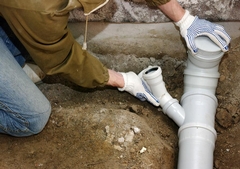
In contrast to lining, pipe replacement involves the complete removal of the old pipe and the installation of a new one. Traditional trenching is the most straightforward method, but it can be disruptive and labor-intensive. There is an alternative approach known as trenchless replacement, which minimizes surface disruption by pulling the new pipe through the old one using specialized equipment.
Benefits of Replacement
Complete replacement is often the best solution when dealing with severely damaged pipes, such as those that are entirely collapsed or deteriorated. It offers a long-term solution free from potential limitations posed by old materials. For homes with particularly old plumbing systems, replacement can significantly upgrade efficiency and compliance with modern standards.
Potential Downsides
The primary disadvantage of pipe replacement is the invasive nature of the process, especially if trenching is necessary. Extensive excavation can not only disrupt your landscape but might also affect sidewalks, driveways, and other structural elements. Additionally, if you opt for a full replacement, the costs can be considerably higher than lining, both in materials and labor.
Factors to Consider: Sewer Pipe Lining vs Replacement
When choosing between sewer pipe lining vs replacement, several factors should weigh into your decision-making process:
- Extent of Damage: If the pipes are simply leaking or cracked, lining might suffice. For fully collapsed pipes, replacement is usually necessary.
- Piping Material: Lining might not be applicable for every type of pipe material, particularly those with irregular surfaces.
- Budget Constraints: Lining can be less costly upfront, but it’s important to consider potential long-term costs if issues persist.
- Environmental Impact: Excavation can result in disrupting local wildlife and vegetation, which could be a significant consideration for environmentally-conscious homeowners.
- Time and Convenience: Lining generally requires less downtime, which might be crucial for busy households.
Each situation is unique, and consulting with a professional plumber can provide an in-depth analysis tailored to your home’s specific needs.
Considering the Local Landscapes
Residing in Duluth, MN, presents its own set of unique challenges when it comes to plumbing. The varying temperatures and seasonal changes can exacerbate plumbing issues. In this region, the use of sewer inspections and excavation services in Duluth is often necessary to accurately assess the current state of your sewer lines, guiding decisions related to repairs or replacements.
How to Decide: Practical Tips for Homeowners
Making the choice between lining and replacement can feel overwhelming. Here are some steps to help bring clarity:
- Conduct a Thorough Inspection: Before committing to any form of repair, ensure a comprehensive sewer line inspection is conducted. These inspections can identify the location and extent of damage, offering more precise recommendations.
- Consult with Multiple Experts: Get opinions from multiple professionals to understand the different perspectives on your particular problem.
- Weigh the Long-Term Implications: Think beyond the immediate repair. Consider the longevity of the solution, potential future issues, and resale implications if you plan to sell your home.
- Respect Environmental Considerations and Community Impact: Assess the potential impact on your property and surrounding areas based on the repair method chosen.
Choosing the Right Partner for Your Sewer Line Needs
When dealing with complex sewer line issues, it’s imperative to work with a trusted, experienced service provider. Professional plumbing services can tailor solutions to not only fit your specific needs but also ensure compliance with local regulations. If you reside in one of the surrounding areas, services such as pipe lining in Eveleth can offer that localized expertise you might require.
Partner with Contour for Your Plumbing Solutions
Ultimately, your home’s plumbing health is critical, and the right approach can save time, money, and hassle down the line. Whether you’re opting for sewer pipe lining vs replacement, Contour offers a range of services tailored to meet the unique demands of homeowners in Duluth, MN, and beyond. For tailored plumbing solutions that answer your unique concerns, contact Contour today and receive expert guidance every step of the way.